
The transformation of gambling a historical journey through time
The Origins of Gambling
The practice of gambling dates back thousands of years, with evidence suggesting that it originated in ancient civilizations such as Mesopotamia and China. Early forms of gambling included dice and betting on the outcomes of games and events. Archaeological findings, including ancient dice and betting tokens, illustrate that gambling was a popular pastime among various cultures, often linked to religious or cultural rituals. Many modern enthusiasts can enjoy these traditions today, especially with advances in online options like db bet.

As societies evolved, gambling took on new forms. The ancient Greeks and Romans incorporated gambling into their entertainment, with betting on gladiatorial games and chariot races becoming commonplace. These early forms of organized betting laid the groundwork for the complex gambling systems we see today, establishing a rich history that continues to evolve.
The Rise of Casinos
The modern casino concept emerged in Europe during the 17th century, particularly in Italy. The establishment of the first official casino, the Ridotto in Venice, marked a significant milestone. This venue offered a regulated environment for gambling, attracting the wealthy elite and creating a social atmosphere around games of chance. This innovation sparked the proliferation of casinos throughout Europe, with France and Germany also becoming notable hubs for gambling.
As gambling spread, so did its acceptance. By the 19th century, casinos began to incorporate a range of games, creating a diverse entertainment experience. The introduction of slot machines and various card games further popularized these establishments, paving the way for the luxurious casinos we know today.
The Impact of Legislation and Technology
Throughout history, gambling has faced various challenges, particularly from legislation. Governments around the world grappled with the moral implications of gambling, leading to periods of prohibition and regulation. In the United States, the 20th century saw significant changes, with states re-evaluating their laws on gambling and beginning to legalize casinos and lotteries to generate revenue.
Technological advancements have dramatically transformed the gambling landscape. The introduction of the internet in the late 20th century revolutionized the industry, enabling online gambling to flourish. Virtual casinos now offer players a wide range of games and betting options from the comfort of their homes, creating a new dimension of accessibility and convenience.
The Globalization of Gambling
In the 21st century, gambling has become a global phenomenon. Countries around the world have embraced various forms of gambling, from traditional casinos to online platforms. This globalization has resulted in a rich tapestry of gambling cultures, with each region contributing its unique practices and games. Events such as the World Series of Poker have elevated gambling to a spectator sport, attracting millions of fans and participants globally.
Furthermore, the rise of mobile technology has brought gambling to an even wider audience. Mobile apps and platforms allow users to gamble anytime, anywhere, making it an integral part of modern entertainment. This expansion underscores the adaptability of gambling as it continues to transform and reach new markets.
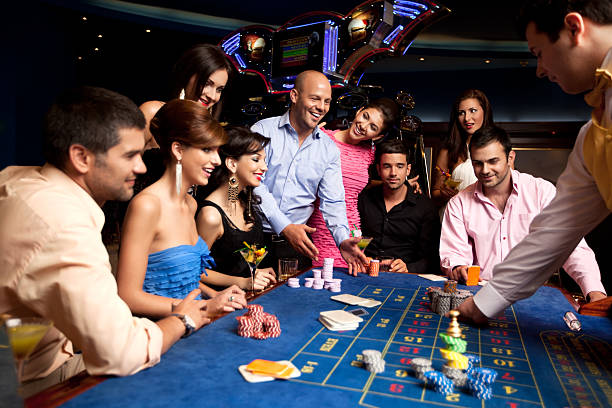
DBbet: A Contemporary Gambling Experience
Today, platforms like DBbet offer a modern approach to gambling, providing an online sports betting and casino experience tailored to users. With a vast selection of games and sports betting options, DBbet creates an exciting environment for both novice and experienced gamblers. The platform emphasizes user security and convenience, ensuring that players can enjoy their favorite games safely.
DBbet also stands out for its commitment to responsible gaming, offering enticing bonuses and round-the-clock customer support. As gambling continues to evolve, DBbet represents a trustworthy and engaging option for those seeking entertainment in the digital age, showcasing the ongoing transformation of gambling throughout history.