
Understanding the psychological effects of gambling on decision-making processes
The Nature of Gambling and Its Psychological Impact
Gambling is more than just a game of chance; it involves complex psychological factors that influence decision-making. The thrill of potentially winning can activate the brain’s reward system, releasing dopamine, which creates feelings of pleasure. This biological response can lead individuals to make impulsive decisions, often overshadowing rational thinking. Understanding this connection is crucial to grasp how gambling can skew decision-making processes, especially when considering the best non GamStop casinos available for UK players.
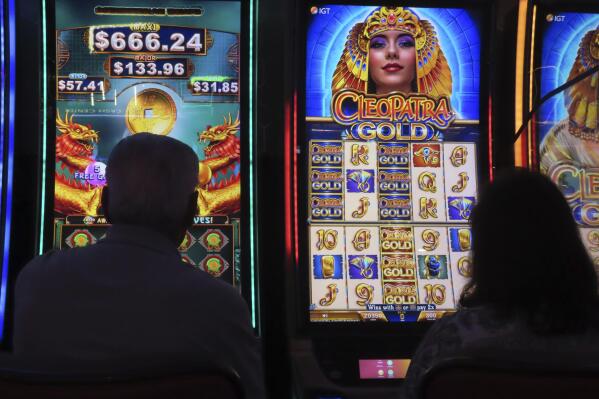
Moreover, the psychological effects of gambling can lead to cognitive distortions. Gamblers may develop an illusion of control, believing they can influence the outcome of games purely based on skill or strategy. This misconception can further entrench them in unhealthy gambling behaviors, making it difficult to step back and assess the reality of their situation.
The Role of Emotions in Gambling Decisions
Emotions play a significant role in the decision-making processes associated with gambling. Players often experience highs and lows, with emotions such as excitement, anxiety, and disappointment impacting their choices. For instance, winning can create a sense of euphoria that clouds judgment, encouraging further gambling in hopes of sustaining that high.
Conversely, losing can lead to frustration and desperation, prompting individuals to chase their losses. This cycle can trap players in a pattern of poor decision-making where emotional states dictate actions, rather than logical evaluation. Recognizing these emotional triggers can be vital in making more informed choices while gambling.
The Influence of Cognitive Biases on Gambling
Cognitive biases significantly shape how gamblers make decisions. Common biases include confirmation bias, where players tend to focus on wins while ignoring losses, and the gambler’s fallacy, which leads individuals to believe that past events can influence future outcomes in games of chance. These biases can reinforce the belief that one is likely to win, creating a dangerous loop of continued gambling.
Additionally, the availability heuristic can impact decision-making. Players might judge the probability of winning based on recent experiences or stories of others, rather than statistical realities. This often skews their perception, leading to overconfidence and reckless behavior. Awareness of these biases is essential for promoting healthier gambling practices.
The Social Factors Influencing Gambling Behavior
Social environments significantly affect gambling decisions. Peer pressure and social validation can drive individuals to gamble more than they might otherwise choose. In environments like casinos or online gaming platforms, the presence of other players can amplify feelings of excitement and competition, leading to impulsive decisions that may not align with personal values or financial goals.
Furthermore, celebrity endorsements and media portrayals of gambling can glamorize the activity, influencing public perception. When gambling is depicted as a glamorous or easy way to earn money, individuals may be more likely to engage without fully understanding the risks involved. This social reinforcement complicates the decision-making process, often leading to detrimental outcomes.

Your Resource for Informed Gambling Decisions
Understanding the psychological effects of gambling on decision-making is essential for anyone considering engaging in such activities. By being aware of the emotional and cognitive factors at play, individuals can make more informed choices, minimizing the risks associated with gambling.
For those seeking further information, resources are available that delve into responsible gambling practices and the psychological aspects of gambling. Educating oneself about these elements can foster healthier decision-making processes, ultimately leading to a safer gambling experience.