
Understanding the Psychology of Gambling Decisions
Gambling, at its core, is a complex interplay of human psychology and chance. Understanding the underlying psychological frameworks that influence our decisions at the gambling table or in online gaming environments is crucial for anyone looking to navigate this exciting world more effectively. Factors such as risk perception, reward anticipation, and the gambler’s fallacy all play significant roles in shaping betting behaviour and outcomes. For those interested in exploring various aspects of online gaming and related resources, a visit to https://goldenmister777.org.uk/ might offer valuable insights.
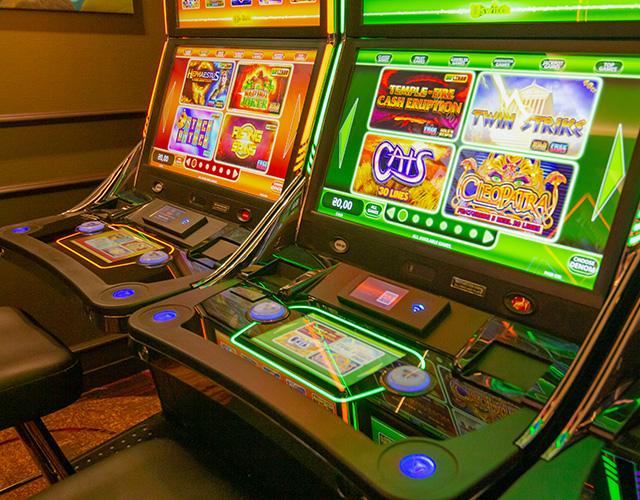
The thrill of potential winnings often triggers the release of dopamine, a neurotransmitter associated with pleasure and reward. This neurochemical response can create a powerful, even addictive, loop, making the act of gambling itself rewarding, independent of actual financial gains. Awareness of these biological and psychological drivers is the first step towards making more informed choices.
Cognitive Biases in Gambling Behavior
Cognitive biases significantly impact how individuals perceive risk and probability within the context of gambling. The “illusion of control,” for instance, leads players to believe they can influence random outcomes, often through superstitions or specific rituals. This can lead to overconfidence and a tendency to take on more risk than is rational.
Another common bias is the “gambler’s fallacy,” the mistaken belief that past independent events influence future probabilities. For example, believing that a roulette wheel is “due” for a black number after a string of reds is a classic manifestation of this bias. Recognizing these mental shortcuts is vital for maintaining a clear perspective on the actual odds involved in any given game.
The Role of Emotional Regulation in Gambling
Emotional states profoundly influence gambling behaviour. Excitement, frustration, and even boredom can drive players to make impulsive decisions. High-stakes wins can lead to euphoric overconfidence, while losses can trigger a desperate attempt to “chase” those losses, often leading to larger bets and more significant financial detriment.
Developing strong emotional regulation skills is therefore paramount for responsible gambling. Learning to step away from the game when emotions run high, and to approach gambling with a calm, rational mindset, can prevent many of the negative consequences associated with excessive play. This includes setting clear limits and sticking to them, regardless of emotional pressure.
Strategies for Navigating Online Gambling Platforms
Online gambling platforms offer a vast array of games and betting opportunities, requiring a strategic approach to engagement. Understanding the specific psychological underpinnings of different game types, from the immediate gratification of slots to the strategic depth of poker, allows players to tailor their approach. This involves recognizing the unique persuasive design elements often employed by these platforms.
Responsible online gambling involves setting strict time and budget limits before commencing play. It’s also beneficial to research the fairness and licensing of any platform to ensure a secure and transparent gaming experience. Websites that prioritize player well-being and offer tools for managing play are often a good indicator of a responsible operator.

Exploring Golden Mister 777: A Hub for Gaming Exploration
Golden Mister 777 aims to provide an engaging environment for those interested in the world of gambling. The platform likely offers a variety of gaming options, each designed to cater to different player preferences and levels of experience. Understanding the psychological frameworks discussed earlier can enhance your interaction with the games available on such sites.
By approaching platforms like Golden Mister 777 with a conscious awareness of the psychological factors at play, players can better manage their expectations, control their impulses, and make more strategic decisions. This informed approach is key to enjoying the excitement of gambling responsibly and sustainably, ensuring the experience remains a source of entertainment rather than distress.