
The evolution of gambling a historical perspective on games of chance
The Origins of Gambling
The history of gambling dates back thousands of years, with evidence suggesting that early forms of games of chance were played in ancient civilizations. Archaeological findings indicate that dice made from animal bones were used in China around 3000 BC. These primitive games served not only as entertainment but also as a means for people to test their luck, leading to the fundamental nature of gambling as a human pastime. The early use of materials such as stones and sticks further illustrates the universal desire to engage in chance-based activities. For more insights, visit https://pirots-ca.com/.

In ancient Egypt, gambling was intertwined with cultural practices. The Egyptians created various games that utilized dice and other chance elements, often associated with religious rituals or social gatherings. Such games were more than mere entertainment; they were ways for people to connect socially and culturally. This historical intertwining of social aspects with games of chance laid the groundwork for the communal experiences surrounding gambling that persist today.
As civilizations evolved, so did the complexity of gambling. The Greeks and Romans further developed games of chance, introducing organized betting on sports and contests. This era marked a significant shift in gambling, as it became more structured and formalized. The prevalence of gambling in these societies highlighted its role in community life, and the legal frameworks developed around betting practices illustrate how integral gambling became to social interactions and economic activities.
The Middle Ages and Renaissance: A Shift in Perception
The Middle Ages brought about a change in the perception of gambling, particularly in Europe. While gambling faced criticism from religious authorities, the games continued to thrive in secretive settings. Playing cards emerged in this period, which significantly transformed how people engaged in gambling. Card games like poker and blackjack later emerged from these early origins, leading to more sophisticated forms of betting that would captivate audiences for generations.
The Renaissance period saw gambling evolve into a more accepted social activity, particularly among the aristocracy. With advancements in card manufacturing, games became more accessible, allowing a wider demographic to participate. This era was marked by a proliferation of gaming houses and casinos, particularly in cities such as Venice and Monte Carlo. The societal acceptance of gambling during this time contributed to its establishment as a legitimate entertainment form, paving the way for its evolution into a global industry.
Additionally, the Renaissance spurred interest in mathematical probabilities, which had a profound impact on gambling. Pioneers like Blaise Pascal and Pierre de Fermat explored the mathematics behind chance and risk. This intellectual curiosity gave rise to a more strategic approach to gambling, allowing players to apply logic and probability to their betting strategies. The blend of intellectual pursuit and gambling during this time set the stage for a sophisticated understanding of games of chance that continues to evolve today.
The Birth of Modern Gambling
The 18th and 19th centuries marked a significant shift toward modern gambling as we know it. The establishment of formal casinos and the introduction of various games like roulette, baccarat, and craps became hallmarks of this era. The first official casino, Casino di Venezia, opened in 1638, setting a precedent for gambling establishments worldwide. As gambling became more organized, it attracted a broader audience, leading to a surge in popularity and the creation of a bustling gambling economy.
With the industrial revolution, gambling found its way into the working class, as venues for betting became more widely available. The invention of slot machines in the late 19th century introduced a new element to gambling, offering players an entirely different way to engage in games of chance. These machines became symbols of luck and fortune, democratizing gambling and making it accessible to a wider audience. The simplicity of slot machines appealed to many, establishing them as a staple in gambling culture.
As the 20th century approached, various forms of gambling became heavily regulated in many countries. Legal frameworks were established to ensure fair play and responsible gambling. This regulation marked a turning point in the evolution of gambling, as governments recognized its economic potential and sought to harness tax revenue from the industry. The establishment of gambling commissions and licensing procedures helped foster a more secure environment for players, paving the way for the modern, responsible gambling landscape.
The Digital Era and Online Gambling
The advent of the internet revolutionized gambling in the late 20th century, marking the beginning of online gaming. Online casinos emerged, allowing players to engage in games of chance from the comfort of their homes. This shift not only expanded the reach of gambling but also introduced new opportunities for innovative gameplay and engaging user experiences. Players were no longer restricted by geographical limitations, leading to the globalization of gambling.
Online gambling platforms offered numerous options, including live dealer games, online poker, and sports betting, catering to diverse player preferences. The integration of technology enhanced the overall gaming experience, with features such as mobile compatibility and interactive gaming environments. Furthermore, online gambling introduced new forms of bonuses and rewards, creating competitive advantages for platforms and offering players more ways to engage with games of chance.
While online gambling brought about significant advancements, it also raised concerns about gambling addiction and responsible gaming. The accessibility of online platforms has prompted discussions around the importance of awareness and education regarding gambling risks. Today, many online casinos implement responsible gaming measures, including self-exclusion tools and educational resources, to support players and promote safer gambling habits. The ongoing conversation around gambling addiction highlights the need for continued awareness and proactive measures to protect individuals engaged in games of chance.
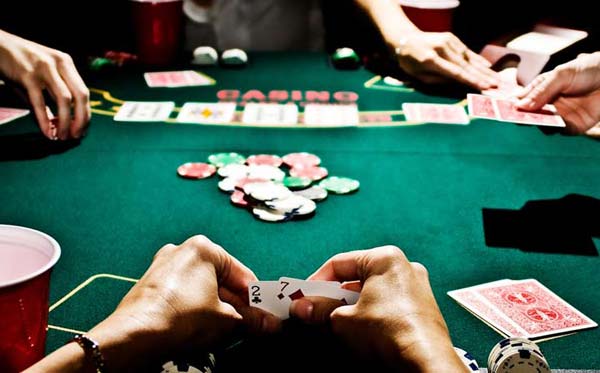
Exploring Games of Chance: A Journey Through History
At Pirots-ca.com, we delve into the captivating world of games of chance, providing insights into their evolution through history. Our comprehensive analysis offers players a deeper understanding of how gambling has transformed over the centuries, from ancient civilizations to the modern digital era. The exploration of various games, their origins, and societal impact enhances the overall gaming experience for enthusiasts.
Whether you are new to the world of gambling or a seasoned player, our platform equips you with the information necessary to make informed decisions. We provide detailed reviews, statistical insights, and gameplay analyses of various games, including popular titles and emerging trends. By understanding the historical context and development of these games, players can enrich their experience and engage more thoughtfully with the games they love.