
Understanding the complexities of gambling addiction and its impact on daily life
Defining Gambling Addiction
Gambling addiction, often referred to as compulsive gambling or pathological gambling, is characterized by an uncontrollable urge to gamble despite the negative consequences. This addiction can lead individuals to prioritize gambling over important aspects of their life, including relationships, work, and financial stability. Understanding this condition is crucial, as it affects millions of people globally and has profound implications for both the individual and their loved ones. For those looking to grasp the nuances of this topic, https://summarizemytext.ai offers valuable insights.
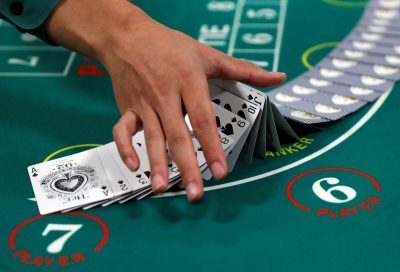
The psychological mechanisms behind gambling addiction involve a mix of cognitive distortions and emotional triggers. Gamblers may experience heightened excitement during wins, which reinforces their behavior, while losses can lead to a cycle of chasing previous losses. This cycle makes it incredibly challenging for individuals to break free from the grip of gambling.
Signs and Symptoms of Gambling Addiction
Recognizing gambling addiction can be difficult, especially for the individuals themselves. Common signs include preoccupation with gambling, lying about gambling habits, and using gambling as a means to escape reality or alleviate stress. Often, individuals may find themselves borrowing money or engaging in illegal activities to fund their gambling, which can further exacerbate their situation.
As the addiction progresses, the effects on daily life become increasingly severe. Relationships may suffer due to dishonesty and betrayal, while work performance can decline as time and focus shift towards gambling. This can lead to a cascading effect on one’s overall well-being, necessitating a deeper understanding of the addiction’s impact.
The Emotional and Financial Toll
The emotional toll of gambling addiction is significant, as it often leads to feelings of guilt, shame, and anxiety. Those suffering from this addiction may withdraw from social interactions, leading to isolation and depression. The psychological impact can result in severe mental health issues that require professional intervention.
Financially, the consequences can be devastating. Individuals may deplete their savings, incur substantial debts, and face bankruptcy as a result of their gambling behavior. This financial strain can further exacerbate emotional distress, creating a vicious cycle that is hard to escape without appropriate support and treatment.
Treatment Options and Support Systems
Addressing gambling addiction requires a comprehensive approach, often involving therapy, support groups, and sometimes medication. Cognitive Behavioral Therapy (CBT) is particularly effective, helping individuals recognize and alter the harmful thought patterns associated with gambling. Support groups such as Gamblers Anonymous provide community and accountability, which are essential for recovery.
Family involvement is also crucial in the recovery process. Education about gambling addiction can help loved ones provide the necessary support while also maintaining healthy boundaries. Creating a network of understanding and compassion can facilitate the healing process for both the individual and their families.

Understanding the Resources Available
For those seeking help, there are numerous resources available online and offline. Websites dedicated to gambling addiction provide information on treatment options, support groups, and self-help strategies. These resources are essential in guiding individuals towards recovery and offering hope for a better future.
Understanding gambling addiction and its complexities is the first step toward recovery. By utilizing available resources and fostering a supportive environment, individuals can work toward regaining control over their lives, ensuring healthier and more fulfilling daily experiences.